Insect Control 101: Identifying Common Pests and Their Effective Therapies
Pest control is a basic element of preserving a healthy and balanced living setting. Typical parasites like ants, rodents, and various bugs can position considerable obstacles. Understanding their habits and indications of problem is necessary for effective monitoring. While chemical services exist, there are likewise all-natural choices worth considering. As one discovers the nuances of parasite identification and treatment choices, the significance of avoidance approaches becomes increasingly evident. What techniques can absolutely keep bugs away?
Recognizing Ants: Kinds and Their Environments
Ants, small yet powerful bugs, are a diverse group that can be found in different environments across the world. There more than 12,000 recognized species, each showing special actions and adaptations. Common types include the black yard ant, which grows in pleasant areas, and the fire ant, recognized for its unpleasant sting, widespread in warmer regions. Carpenter ants favor wet wood, making them a worry for homeowners, while fragrant residence ants are brought in to human food resources.
Ants create elaborate nests, frequently underground, in wood, or within frameworks. Their habitats range from woodlands to city settings, showcasing their versatility. The majority of types are social, residing in swarms that can differ in size from a few lots to millions. Identifying the kind of ant is necessary for efficient bug management, as each varieties has various nesting behaviors and foraging actions that influence control techniques. Comprehending their habitats aids in prevention and therapy efforts.
Recognizing Rodents: Indicators of Problem
Rats, like ants, can present considerable difficulties for property owners and businesses alike. Acknowledging signs of an infestation is necessary for efficient bug control. Common indicators include droppings, which are usually found near food sources or nesting locations; small, dark pellets that can be mistaken for seeds. Eaten cords, furniture, or packaging might additionally signal a rodent presence, as they continuously nibble to maintain their teeth manageable. In addition, property owners could observe gnaw marks on baseboards or wall surfaces. Unpleasant smells, originating from pee and droppings, can indicate a bigger trouble. Scratching or scurrying sounds, particularly during the night, are one more indication of rats. Ultimately, the presence of nests, normally made up of shredded products like paper or textile, can verify a problem. Addressing these indicators immediately can assist mitigate damage and avoid the spread of illness connected with rats.
Usual Pest Vermin: From Aphids to Termites
Insects stand for a varied group of insects that can unleash havoc in yards and homes, with varieties varying from little aphids to destructive termites. Aphids are small, sap-sucking pests that can swiftly infest plants, leading to stunted development and distortion. They frequently draw in ants, which safeguard them from all-natural predators. On the other end of the range, termites are notorious for triggering considerable structural damages to wood frameworks. They consume cellulose located in timber, endangering the honesty of structures and homes. Other typical bug parasites include roaches, which flourish in unsanitary problems, and vermins, recognized for their bites and trouble in elimination. Flies, particularly houseflies, can contaminate food and transfer conditions, while insects pose health risks with their bites. Reliable pest administration begins with recognizing these insects and understanding their behaviors, which is important for safeguarding and preventing infestations both residential or commercial property and health and wellness.
Efficient Treatments: Chemical and Natural Solutions
While homeowners often look for immediate remedy for bug invasions, selecting the appropriate treatment-- whether chemical or all-natural-- calls for careful factor to consider continue reading this of effectiveness and safety and security. Chemical remedies, such as pesticides and insecticides, can provide fast outcomes however commonly lug risks, including possible harm to environmental concerns and non-target types. Home owners need to read labels, original site comply with application guidelines, and think about the timing of treatments to decrease risks.
Conversely, natural remedies, such as diatomaceous earth, crucial oils, or homemade traps, charm to those seeking environment-friendly options. Although they might take longer to show results, numerous natural therapies are more secure for families with children and pet dogs - Pest Control Homestead. Integrated pest management, which combines both chemical and natural techniques, can likewise be efficient. Inevitably, the option in between these treatment kinds ought to align with the extent of the problem, personal values relating to security, and the particular bug being targeted
Avoidance Methods: Keeping Your Home Pest-Free
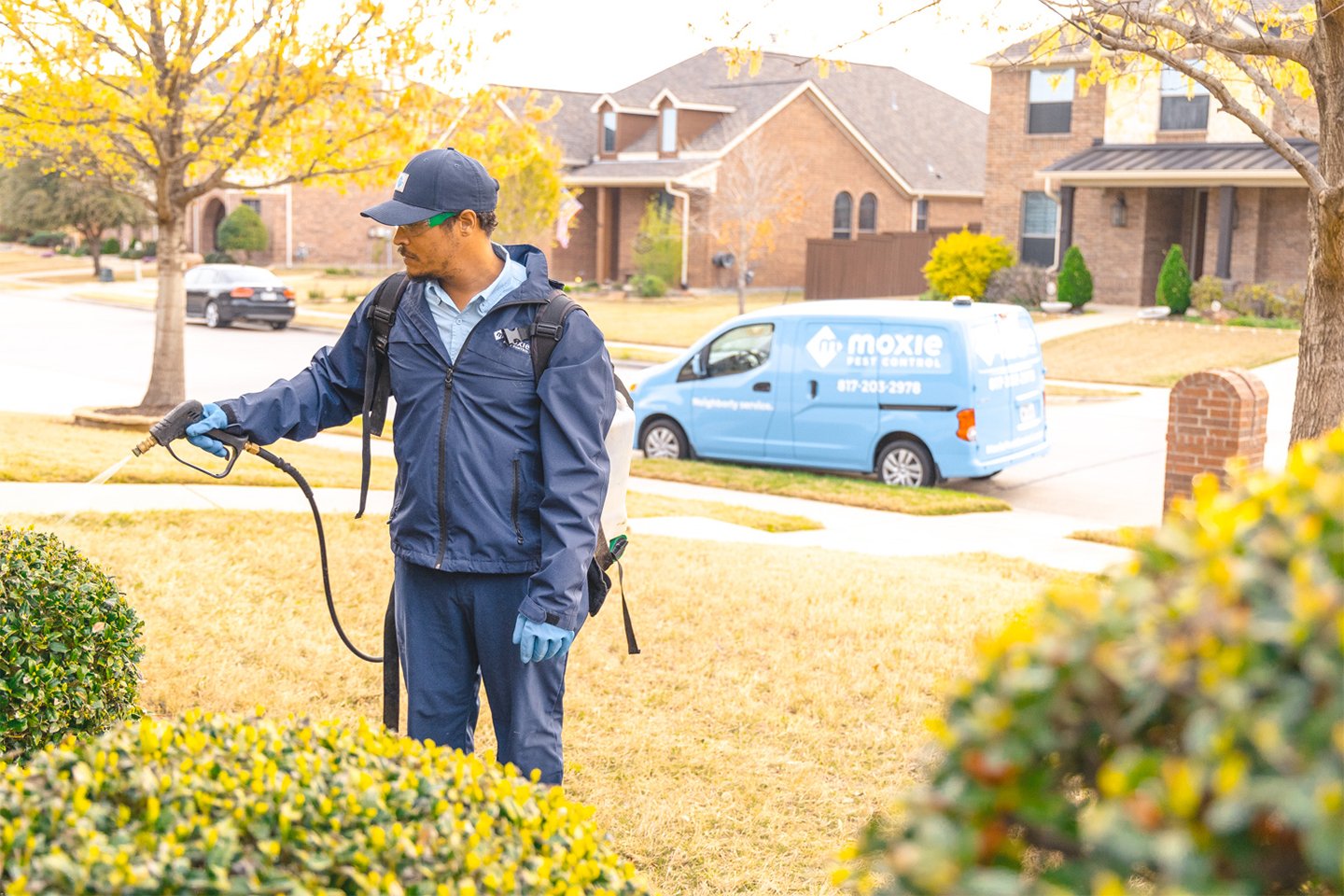
Furthermore, correct landscape design can hinder parasites; keeping shrubs trimmed and getting rid of debris from the backyard minimizes concealing places. Homeowners need to likewise think about dampness control, as many pests thrive in moist conditions. Fixing leakages and guaranteeing appropriate drain can reduce this danger. Ultimately, using natural deterrents, such as essential oils or diatomaceous earth, can develop a negative environment for bugs. By applying these strategies, people can create a pest-free home and lower the likelihood of future invasions.
Often Asked Questions
Exactly how Do I Know if I Have a Bug Issue?
Indications of a pest problem include droppings, chomp marks, nests, or uncommon noises. Observing damaged food or residential property, along with unexplained rashes or bites, may likewise show this hyperlink the visibility of parasites in the atmosphere.
Are There Any Seasonal Insect Trends to Be Knowledgeable about?
Can Indoor Plant Kingdom Attract Bugs?
Interior plants can without a doubt attract insects, as they provide a suitable setting for insects like aphids and crawler termites. Pest Control Homestead. Correct treatment and regular assessment are vital to stop infestations and maintain plant wellness
What Are the Wellness Threats Connected With Pest Infestations?
Pest problems position various health dangers, consisting of allergies, breathing concerns, and the spread of conditions. Direct exposure to parasites like rats and bugs can result in infections, bites, and contamination of food and living settings.
Exactly how Often Should I Inspect My Home for Parasites?
Routine assessments need to take place at the very least once every season, guaranteeing any kind of indicators of pest task are identified early. Home owners might change regularity based on their details environment and previous insect concerns. Uniformity is crucial.
Common bugs like ants, rats, and different pests can pose substantial difficulties. Determining the kind of ant is important for reliable pest monitoring, as each species has various nesting behaviors and foraging habits that influence control strategies. While homeowners usually seek prompt relief from parasite infestations, picking the appropriate therapy-- whether chemical or natural-- requires mindful consideration of efficiency and safety. Effective bug control extends beyond immediate treatments; it likewise involves proactive steps to prevent invasions before they start. Seasonal pest patterns usually consist of enhanced rodent task in autumn as they seek warmth, while spring usually brings an increase of termites and ants.